

Interactive Dining Versus Fine Dining: Which Fits?

A restaurant can serve a beautiful meal and still leave little to talk about once the plates are cleared. That is where interactive dining versus fine dining becomes a meaningful choice. One invites guests into the action, with heat, movement and chef-led theatre at the table. The other creates a more composed experience, where detail, timing and quiet polish take centre stage.
Both can feel special. Both can deliver exceptional food. The right choice depends less on which style is “better” and more on what you want the occasion to feel like when everyone looks back on it.
Interactive dining versus fine dining: the key difference
Fine dining traditionally centres on refinement. The room is often calm, the service is measured, and each course arrives as a carefully finished composition. Conversation tends to stay within your group, while the kitchen works behind the scenes. It is an ideal format for diners who want to slow down, focus on flavour and enjoy an elevated evening with few distractions.
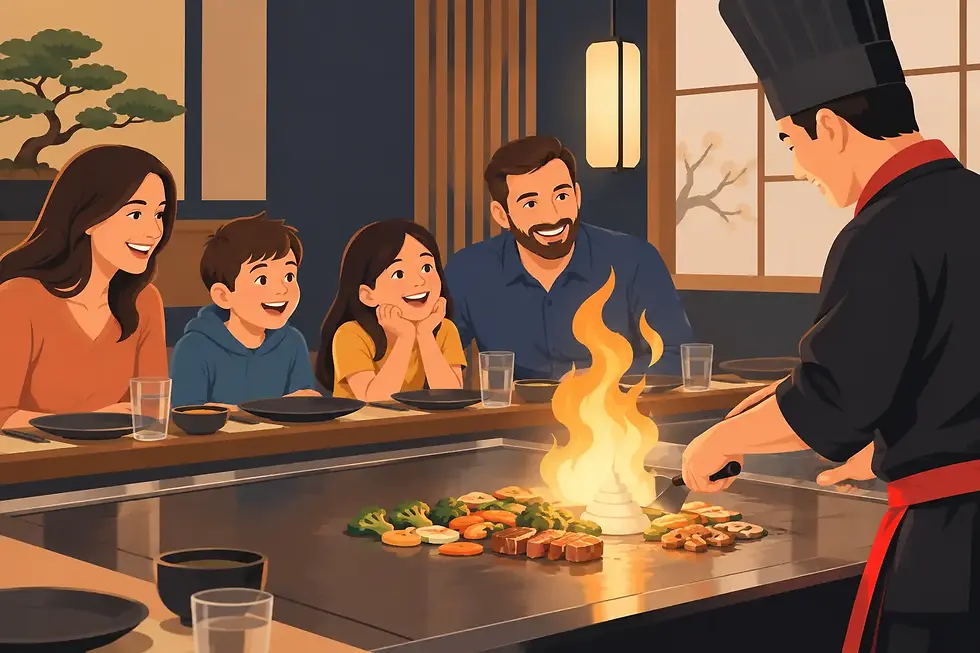
Interactive dining brings the creative process into view. At a teppanyaki table, the chef cooks in front of guests, transforming fresh ingredients with precision, flair and plenty of energy. The sounds of the grill, the aroma of sizzling food and the anticipation of each course become part of the meal. You are not simply waiting for dinner to arrive. You are watching it come to life.
That difference changes the mood of the whole night. Fine dining can feel intimate and elegant. Interactive dining feels social, lively and shared. Neither experience needs to compromise on quality. The distinction is in how close guests are to the craft behind the plate.
The atmosphere: quiet occasion or front-row excitement?
Atmosphere is often the deciding factor. A fine-dining restaurant suits a milestone dinner where you want the setting to feel private, polished and unhurried. Think anniversary celebrations, business meals or a date night where the main event is uninterrupted conversation. There is a certain pleasure in a softly lit room, attentive service and the gentle rhythm of courses arriving at just the right moment.
Interactive dining creates its own rhythm. The table becomes a small stage, and guests naturally respond to what is happening in front of them. A chef’s knife skills, a burst of flame or a perfectly timed trick can turn strangers at the same table into people sharing a laugh. For families, friendship groups and holidaymakers in Surfers Paradise, that shared energy is often what makes the evening memorable.
It also makes interactive dining a strong choice for groups with different expectations. One person may be excited by premium seafood, another may be there for the performance, and someone else may simply want a celebratory night out. Teppanyaki gives the table something to enjoy together from the first sizzle to the final course.
Food quality is not limited by the format
There is a common assumption that fine dining automatically means better food, while interactive restaurants are all about spectacle. In reality, the strongest restaurants in either category rely on quality ingredients, skilled chefs and careful execution.
Fine dining often expresses technique through intricate plating, layered sauces and a course-by-course progression. The chef’s work is revealed in the final presentation. Interactive dining celebrates technique in real time. Guests can see how ingredients are handled, how heat is controlled and how timing affects the result on the grill.
Teppanyaki is particularly rewarding because freshness is visible. When a chef cooks directly at the table, there is no mystery about when the meal is being prepared. You can watch proteins sear, vegetables caramelise and flavours build before they reach your plate. The experience is theatrical, but it is also grounded in the confidence of a chef cooking with precision in full view.
For diners with dietary requirements, the table-side format can also feel reassuring. Clear communication matters in any restaurant, and watching the preparation can add confidence. If gluten-free options are needed, it is always wise to let the restaurant know when booking so the team can guide the experience appropriately.
Service styles create different kinds of connection
Fine-dining service is often discreet by design. Staff anticipate needs without interrupting the flow of the evening. Wine may be poured quietly, plates are presented with an explanation, and the team gives diners space to settle into their own conversation. For guests who value formality and privacy, that restraint is part of the appeal.
Interactive dining is more immediate. The chef is not hidden away in the kitchen but present at the table, reading the room and helping set the tone. Great teppanyaki chefs bring more than technical skill. They bring personality, confidence and the ability to make every guest feel included, whether it is a couple on a date or a table celebrating a birthday.
This does not mean interactive service is less polished. It simply directs hospitality differently. Instead of fading into the background, it becomes part of the occasion. A skilled chef knows when to build excitement, when to engage the table and when to let the food speak for itself.
Which dining style works best for your plans?
The best format depends on the kind of memory you want to make. If you are planning a quiet proposal, a serious business discussion or an evening centred on long, private conversation, fine dining may be the natural fit. Its calm structure gives the meal room to unfold at a slower pace.
If you are organising a birthday, a family dinner, a catch-up with friends or a holiday night worth talking about, interactive dining has an advantage. It removes the pressure of having to create the atmosphere yourself. The cooking, colour and chef performance give the group a shared point of connection from the moment everyone sits down.
Interactive dining can also work beautifully for date night, especially for couples who prefer a little energy over a hushed setting. Sharing a chef-led experience offers easy conversation and plenty of moments to enjoy together. It is polished enough to feel like an occasion, without asking guests to be overly formal.
On the Gold Coast, where a dinner can be the highlight of a night out in Surfers Paradise, this matters. Visitors often want more than a meal between beach walks, shopping and evening plans. They want a place with atmosphere, flavour and a story they can take with them. Locals, too, may be looking for a dependable celebration venue that feels more exciting than a standard restaurant booking.
What to expect from a teppanyaki experience
For first-time guests, teppanyaki is easy to enjoy. You are seated around a hot grill, giving you a clear view of the chef at work. Courses are cooked fresh in front of the table, often in stages, so the meal has a natural sense of progression. There is time to watch, react, chat and savour each part of the experience.
The best approach is to arrive ready to participate in the atmosphere. You do not need to perform or know anything about Japanese cuisine. Just bring your appetite and the people you enjoy spending time with. The chef handles the rest.
At Asami Teppanyaki, the art of Teppanyaki comes alive through fresh cooking, chef talent and an energetic table-side experience in the heart of Surfers Paradise. It is a format designed for guests who want their dinner to feel like the beginning of the night, not simply a stop before it.
The real value is in the memory
Fine dining can be extraordinary when the occasion calls for quiet sophistication. Interactive dining offers something different: food with movement, hospitality with personality and a table full of people experiencing the same moment together.
When choosing where to book, ask one simple question: do you want dinner to be a conversation, or do you want it to start one? For a lively celebration, a memorable Gold Coast night or an experience that keeps the whole table engaged, choose the seat closest to the grill.


Comments